

Introduction
As technology continues to advance, and the industrial sector demands lightweight, high-strength materials, composite materials have emerged as the new favorite in manufacturing. Within this trend of new materials, the Composite Material Laser Cutting Machine, with its high precision and efficiency, has become a key technology driving innovative manufacturing. This article delves into the pivotal role of the Composite Material Laser Cutting Machine and its significance in the application of new materials.
Recommended Models of Composite Material Laser Cutting Machines
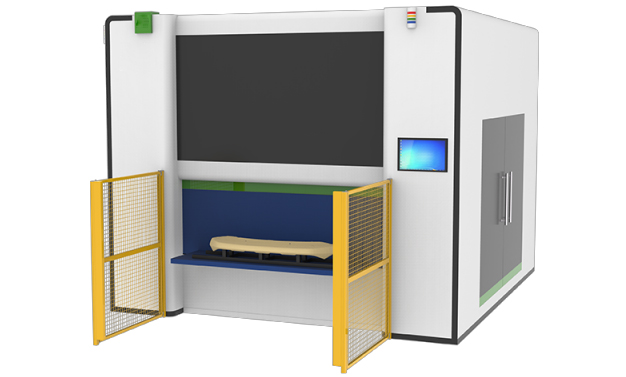
Han’s Laser SGC Series 3D Laser Cutting Machine
1.Fully protected design with infrared light curtain sensors and an internal monitoring system, ensuring overall safety and reliability.
2.High-precision six-axis robotic arm with seven degrees of freedom in the optical fiber arm, supporting laser power below 3000W.
3.Capable of achieving high-precision processing of irregular parts in different positions.
4.Dual-position rotating worktable design, significantly enhancing processing efficiency.
Breaking Traditional Limits
The Composite Material Laser Cutting Machine has overcome the limitations of traditional cutting methods when dealing with complex materials. Traditional cutting methods may encounter issues such as poor cutting edge quality and low precision when handling composite materials. The laser cutting machine, using a high-energy laser beam, can achieve precise and clear cutting of various composite materials. This characteristic brings a more precise and high-quality production method to the manufacturing industry.
High Automation Level
Furthermore, the Composite Material Laser Cutting Machine possesses an exceptionally high level of automation, capable of achieving automated cutting through advanced CNC (Computer Numerical Control) technology. Compared to traditional manual or mechanical cutting methods, laser cutting machines can complete production tasks more rapidly, enhancing overall production efficiency. This is a significant technological breakthrough for materials like composite ones, which are relatively challenging to handle in traditional manufacturing processes.
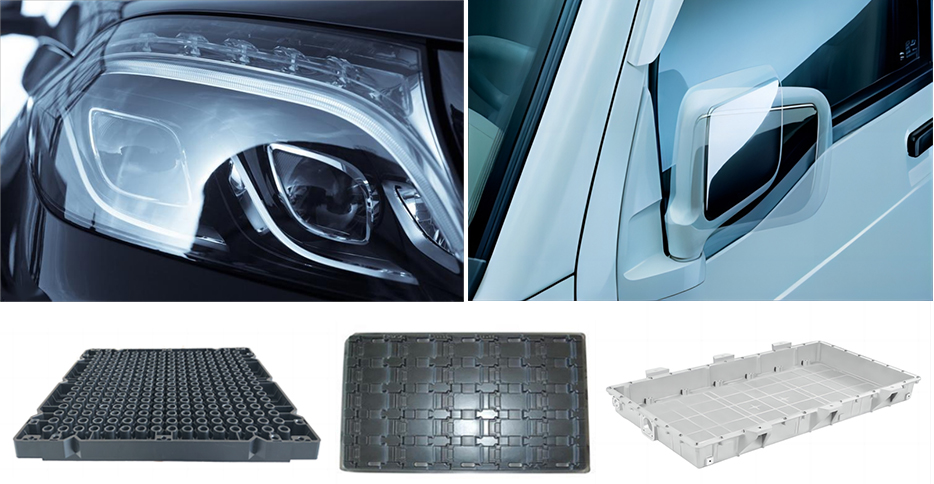
Additionally, the heat-affected zone generated during the cutting process is minimal, reducing material thermal deformation and preserving cutting edge precision. This is crucial for high-precision composite material products, providing a reliable guarantee for product quality.
However, the Composite Material Laser Cutting Machine faces challenges in practical applications, such as high equipment investment costs and a demand for skilled operators. The industry needs to further reduce technical barriers, increase the prevalence of equipment, and better propel this technology’s application in manufacturing.
Conclusion
In conclusion, the advent of the Composite Material Laser Cutting Machine has ushered in a technological revolution for the manufacturing industry. It not only transforms the way traditional materials are cut but also provides robust support for the widespread application of composite materials. With continuous technological advancements and expanding applications, the Composite Material Laser Cutting Machine is poised to play an increasingly important role in the future of manufacturing, propelling the entire industry towards a more precise, efficient, and innovative direction.

